Conclusions and next steps from the workshops and discussions
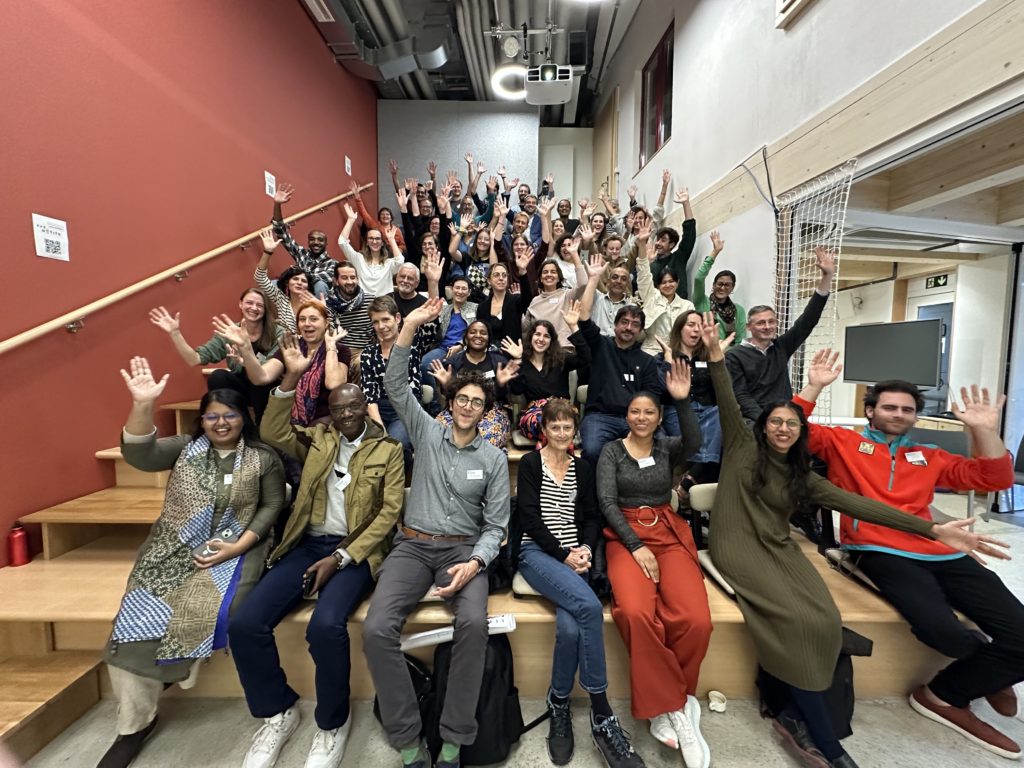
Held in Geneva from 30 September to 4 October, the meeting marked the 10th anniversary of the CoHabitat network.
More than 80 participants from over 50 organisations and 23 countries came together to reflect on the past decade and explore future collaborations in the field of participatory and cooperative housing.
Discussions focused on ethical and community financing for affordable housing, collective land ownership and advocacy strategies for organised residents’ groups. The event also provided an opportunity to define the next steps for ongoing collaboration over the coming months.
In the following sections of this article, you will find summaries of the workshops and discussions, describing the various perspectives and ideas shared.
- 30 September 2024: Systematising community financial mechanisms in Latin America, Africa and Asia
- 1 October 2024: Retrospective and future of the CoHabitat network. International public conference: The social production of housing throughout the world.
- 2 October 2024: Advocacy for participative housing: examples, strategies and prospects
- 2 October 2024: Ethical and social financing for participative housing
- 3 October 2024: Visits to housing cooperatives in Geneva
- 4 October 2024: Workshop on student housing cooperatives
30 September 2024: Systematising community financial mechanisms in Latin America, Africa and Asia
This workshop was part of an ongoing systematisation process carried out by urbaMonde and its partners in the Global South on key themes related to participatory housing. Launched in 2022 with workshops on ‘community building and mobilisation’, the process led to the development of a collaborative methodology and the publication in May 2024 of Empowering Communities in Participatory Housing Initiatives: Experiences from Africa, Asia and Latin America.
In 2024, new exchanges focused on ‘Community financial mechanisms in Africa, Asia and Latin America’, enabling partners to explore various financial models, such as savings groups and revolving funds. These sessions provided an opportunity to share more details, reflect collectively on achievements and challenges, and exchange ideas for the future.
You can access all the presentations here.

1 October 2024: Retrospective and future of the CoHabitat network
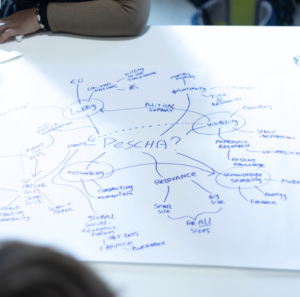
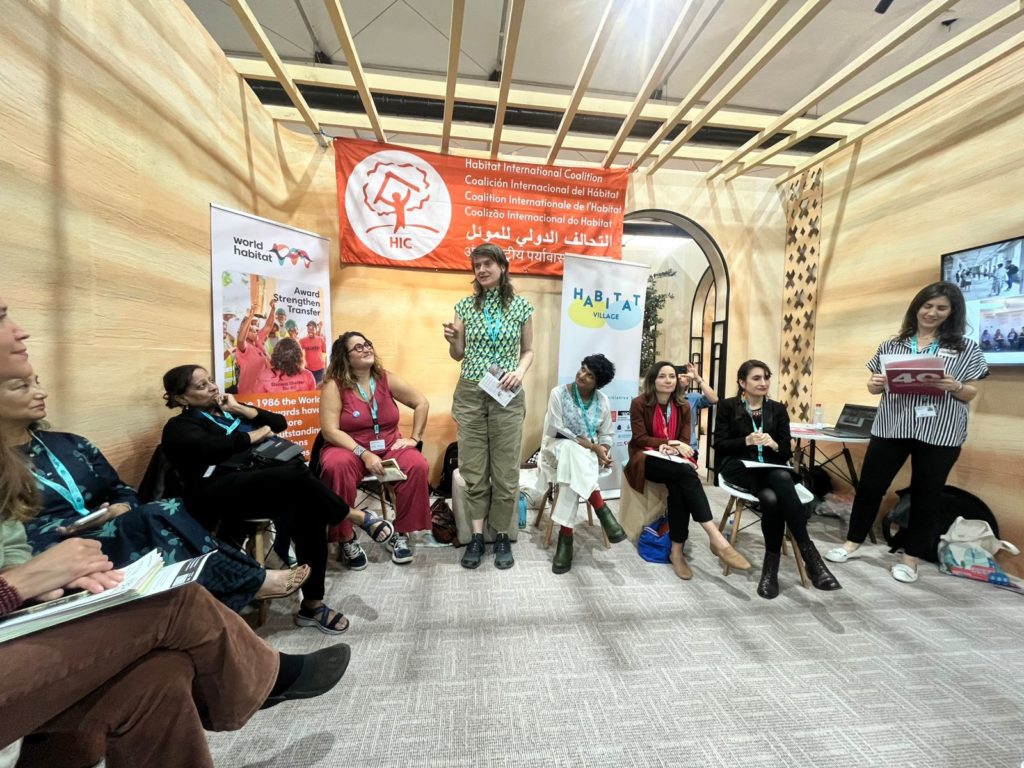
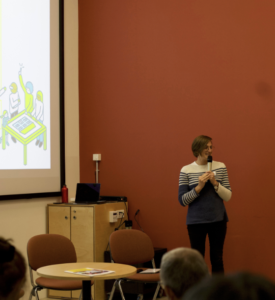
CoHabitat’s annual meeting began with a fascinating presentation by the Habitat International Coalition (HIC) on Social Production of Habitat ( PSH), a people-centred approach to housing theorised by Enrique Ortiz and others in Latin America, developing Henri Lefebvre’s fundamental ideas to highlight how local and popular processes shape their habitat on a global scale. The CoHabitat network was born in 2014 from the initiative of various civil society organisations, including HIC, the Asian Coalition for Housing Rights (ACHR), Slum Dwellers International (SDI), World Habitat, Cooperative Housing International (CHI), urbaMonde and other allies, with the desire to join forces and create a common platform aimed at bringing visibility and creating spaces for exchange and advocacy around PSH and participatory housing. For this first session bringing together all the members of the CoHabitat network, it was essential to recall the origins of this network and the important work carried out by its founding members, some of whom have been active since the late 1970s, accumulating impressive experience in advocacy for housing as a human right and the promotion of inclusive and sustainable urban development.
A discussion moderated by urbaMonde provided an opportunity to review the



2 October 2024: Advocating for participatory housing: examples, strategies and perspectives
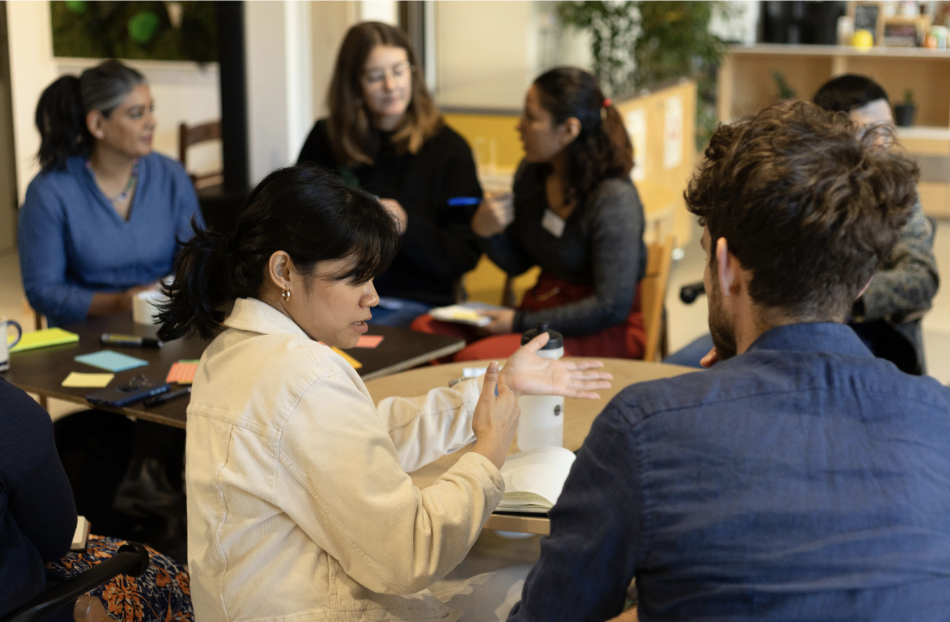
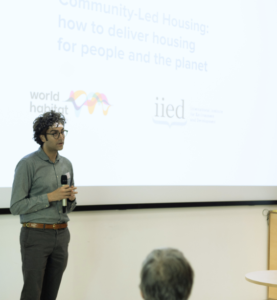
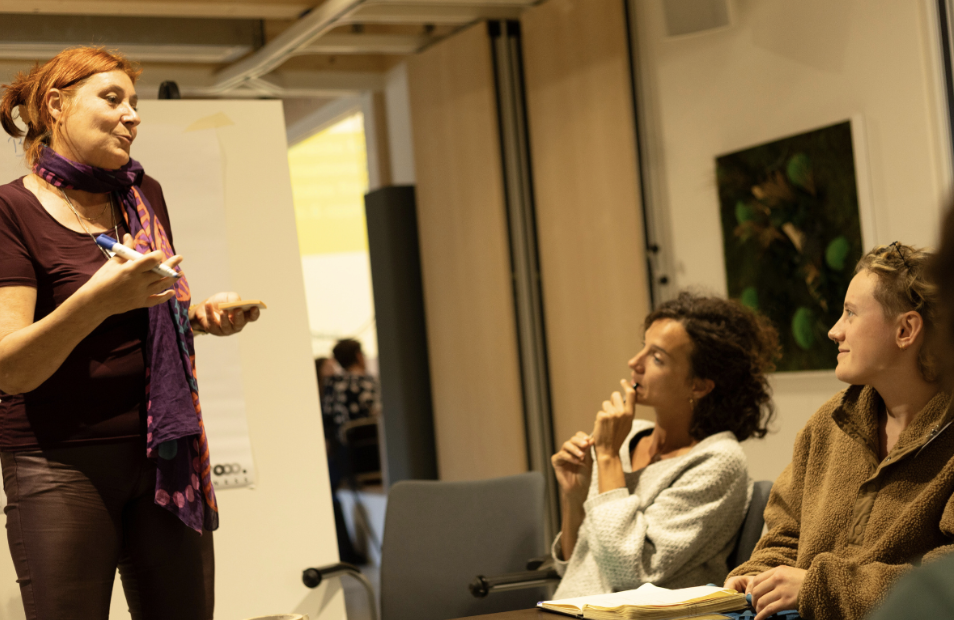
Co-organized by IIED, World Habitat and HIC, this session focused on the project “Participatory Housing: How to Provide Housing for People and the Planet”. The first phase of the project aims to mobilize civil society organizations, learn from their advocacy strategies, identify barriers to participatory housing development, and explore ways to engage key stakeholders in regional and global advocacy campaigns. Six local partner organizations presented case studies highlighting the challenges faced by participatory housing initiatives in Brazil, Malawi, Zambia, Nepal, Switzerland and Slovenia. Interactive working groups were also organized around three key themes: organization and partnerships, financing, land and resources, and policies and regulatory frameworks.
- Organizing and partnerships: Participants identified marginalized groups, NGOs and cooperatives as key actors in promoting supportive frameworks. They also suggested that new government institutions could strengthen citizen participation and that partnerships with other sectors, such as the media, could influence policy.
- Finance, land and resources: The group noted that influential actors often lack alignment with participatory housing principles. While impact investors may support these initiatives, they often prioritize financial stability over social impact. CSR initiatives, foundations and international donors have been identified as crucial sources of funding.
- Policies and regulatory frameworks : Recognizing participatory housing as a formal solution to the housing crisis was deemed essential. National governments and multilateral development actors, although not very engaged in participatory housing, have been identified as influential. The group stressed the need to promote the social value of housing, particularly its role in caregiving, and the importance of raising awareness in the media to change the public perception of ownership.
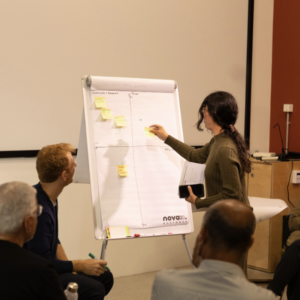
Participants used quadrant analysis to assess the influence of stakeholders in overcoming barriers and aligning them with the principles of participatory housing, thus enabling the design of targeted advocacy strategies.
You can read the blog dedicated to the IIED meeting, “Charting the Way for Participatory Housing” as well as visit the project page “Housing Justice“.
October 2, 2024: Ethical and social financing for participatory housing
This workshop explored financial mechanisms to support participatory housing, addressing challenges such as the lack of long-term low-interest loans and the reluctance of financial institutions to invest in participatory and cooperative housing. Presentations highlighted various models, including the European Ethical Bank, the MOBA (Eastern and South-Eastern Europe) accelerator and CODHA’s cooperative repository in Switzerland, as well as community financial mechanism initiatives in Nicaragua and Sri Lanka. Discussions also focused on impact investing in affordable housing. Participants then divided into four regional groups to imagine a utopian global financial infrastructure, guided by the question: “How do we create a global financial system for participatory housing with all the necessary resources?”
Key points:
- Strengthening the decision-making role of communities: Communities must lead habitat projects, influence regulations, and hold decision-making power. Laws and financial institutions must align with community priorities, ensuring local control over land and housing.
- Cooperative business models and ethical financing: An alternative economic system should support community contributions, progressive taxation, and ethical banks. Community funds, such as a housing bank, should channel resources to housing through revolving funds.
- Long-term public financing: State guarantees and innovative loan structures (e.g., “multigenerational” long-term loans) should make housing financing affordable. Public funds, such as pension funds and rental income, should support housing with community control and municipal support.
- Redefining housing as a common good: Housing should be non-profit, with fixed prices to avoid speculation. Collective housing and co-operative ownership models should become the norm, with an emphasis on use rather than ownership.
- Promote sustainable and community-based construction: Building standards should prioritize self-construction, renovation, and the use of eco-friendly and local materials. Public institutions should support these efforts through capacity-building programmes.
- Education and collective culture: Co-operative values should be taught in schools to promote resource sharing and collective responsibility. Government programs should develop community skills in construction, financial management and sustainability.
October 3, 2024: Visits to housing cooperatives in Geneva
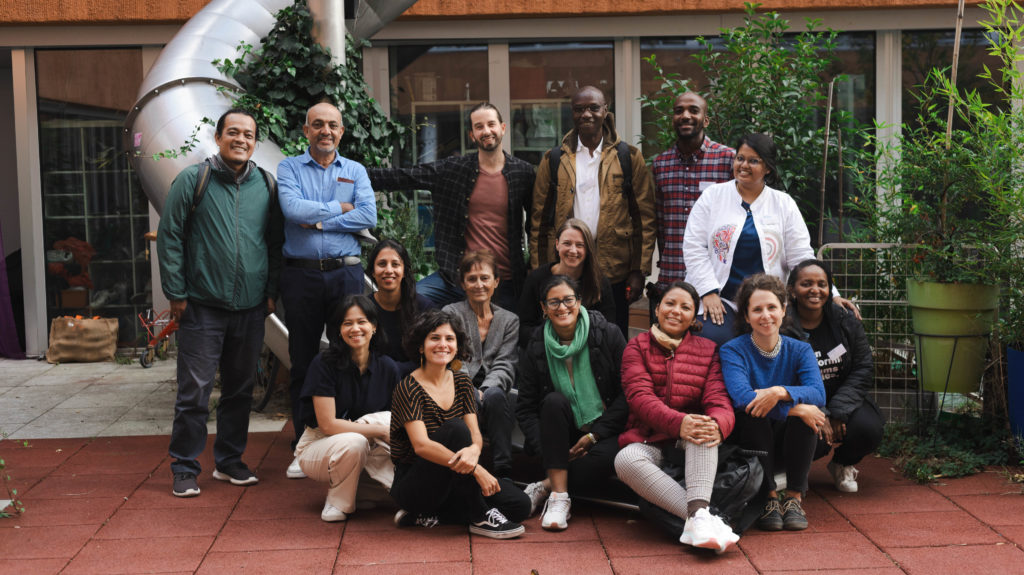
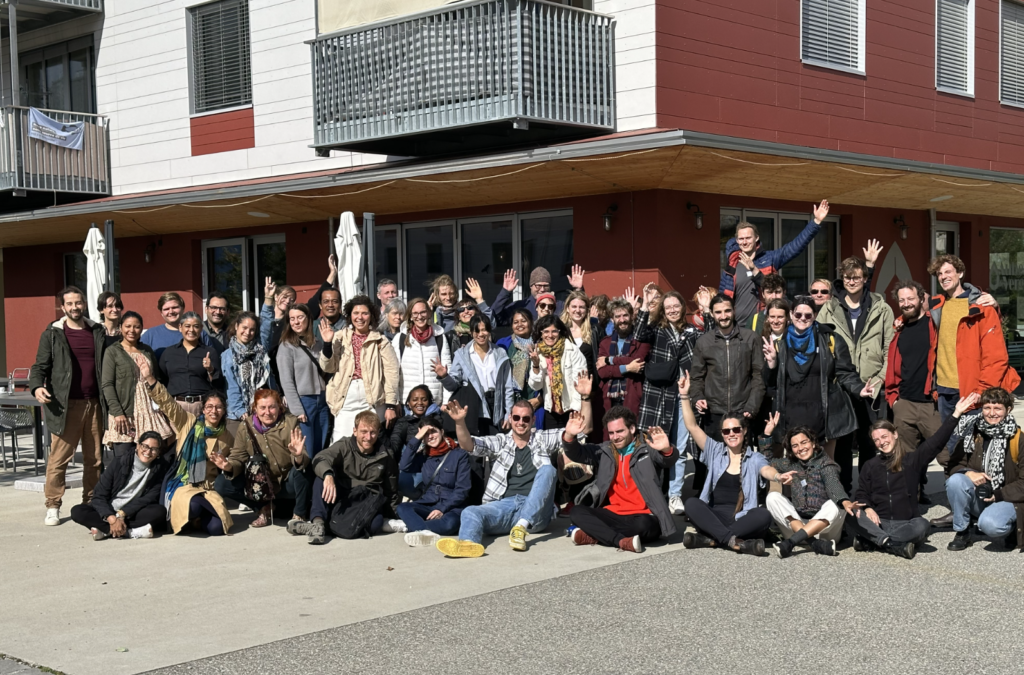
This day allowed participants to discover in depth the landscape of housing cooperatives in Geneva through three examples:
- La Ciguë (1986): offers affordable student housing focused on self-management and ecology.
- CODHA (1994): offers non-profit participatory housing, focused on affordability and solidarity.
- Équilibre (2005): develops affordable and sustainable housing with the involvement of residents and green construction.
The day included guided tours, exchanges with residents and discussions on the architectural, technical and management aspects of co-op living.
October 4, 2024: Student Housing Co-op Workshop
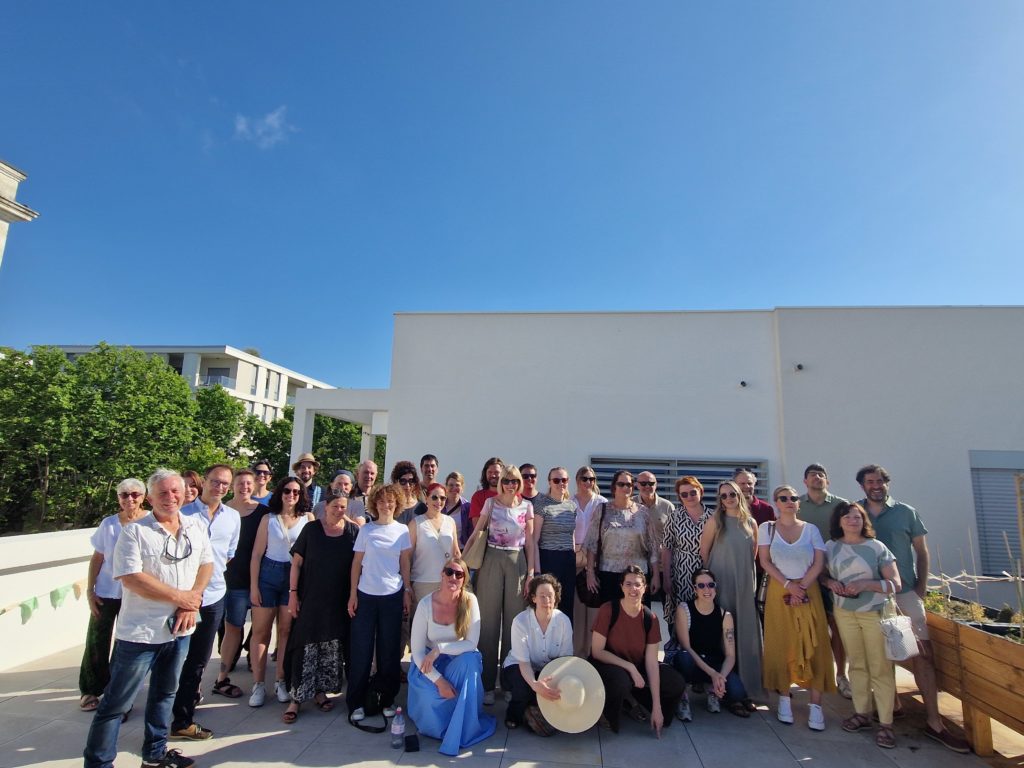
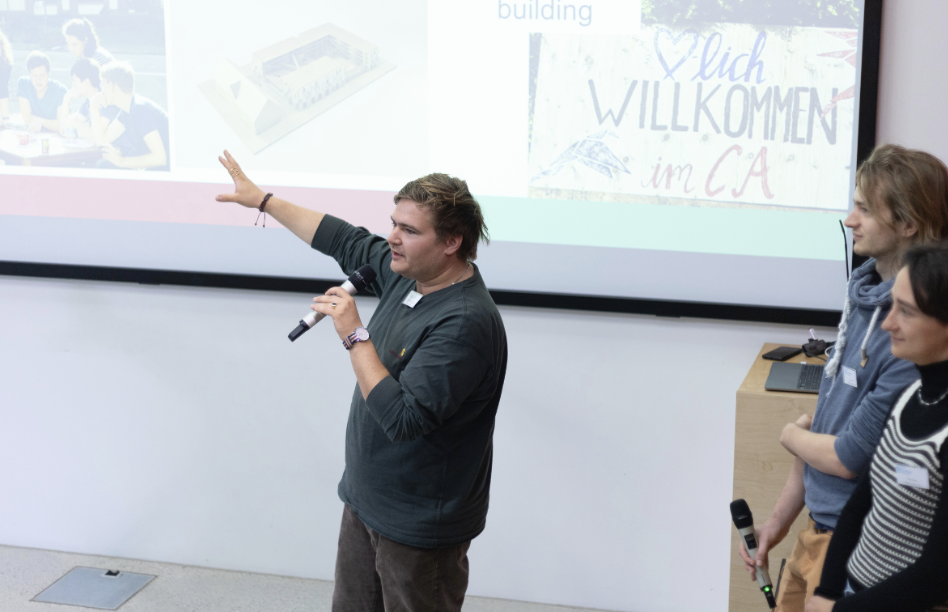
With the support of urbaMonde, Cooperative Housing International, Studentendorf Berlin and Coop-Homes UK, the Pan-European Network of Student Housing Cooperatives and Associations (founded in 2022) met for the second time in Geneva, bringing together more than 30 representatives of student housing cooperatives and associations across Europe.The day allowed participants to present the experiences of several cooperatives, including La Ciguë (Switzerland), Collegium Academicum (Germany), MuST (Italy), Caracol (France) and many others. Participants shared their experiences and strategies, while workshops covered topics such as building a cooperative, financing, lending, and conflict management. The session concluded with discussions on the future of this student network and the development of student cooperatives.
We invite you to read the blog of Anke Schwittay, Professor of Anthropology and Global Development at the University of Sussex, UK “Student housing cooperatives in Europe“.